
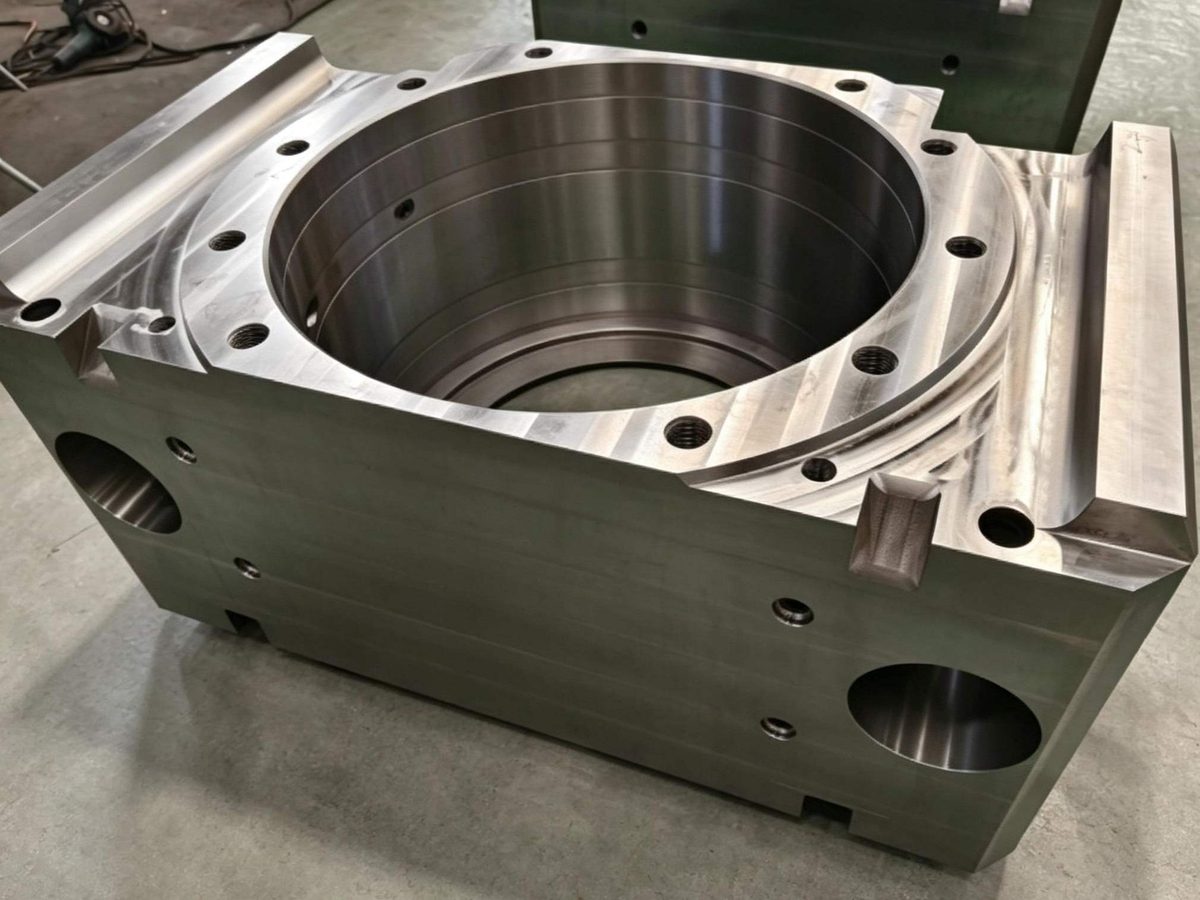
Custom machined components should be chosen whenever geometry cannot be achieved using catalog components. The optimal design of the component can only come about by integrating fit, function, material, and finish together with the proper process based on the true operating load and assembly process.
Looking for custom machined components, the ultimate question is whether the component will assemble cleanly, remain dimensionally stable in use, and support the overall assembly.
Why Custom Machined Parts Matter
Custom machined components are critical since the tiniest interface will determine whether the assembly works smoothly or not. A housing, a bracket, a shaft end, or a thread will seem straightforward in its design, but each element will dictate positioning, load transmission, and assembly of the rest of the machine.
This is why custom machined components are employed in machinery manufacturing, automotive systems, aerospace parts, electronics, medical devices, and mold manufacturing. Not only does the component have significance in design, but also in how it works in performing its function without the whole system having to adjust around it.
Start With the Drawing
Define Fit and Function
A good drawing tells the machinist what the part must do, not just what it looks like. It should make the locating faces, threaded zones, bores, and contact surfaces obvious so the part can be made around the real working relationship instead of around a vague silhouette.
For custom machined parts, fit and function are connected. If a face sets the alignment, that face deserves the tightest control; if a hole carries a fastener or a shaft seat, the geometry around it should be defined so the assembly does not depend on luck during installation.
Lock Down Dimensions Early
The greater the number of features on a part, the more crucial it is to establish the critical dimensions at the outset. Total size is important, but the dimensions that control assembly order and positioning will typically be the shoulders, depths, hole locations, and the interaction of two machined surfaces.
This is particularly true for parts where a custom machined component must fit into a housing, fit over a gear shaft, or fit around a bearing housing. The smallest difference in one dimension can impact the entire stack, which makes it imperative that the drawing show priority features right from the beginning.
Materials and Surface Treatment

Match the Part to the Working Environment
Material choice should start with load, temperature, wear, and corrosion, then move to the practical realities of machining and service. A strong base material is useful, but the wrong finish or surface condition can still shorten life if the part runs in a dirty, wet, or high-contact environment.
That is why custom machined parts should be specified with the working environment in mind. A part that sees repeated contact may need a smoother finish, while a part that sits in a harsher environment may need a surface treatment that supports durability without making assembly difficult.
Plan for Assembly and Maintenance
Surface treatment is not only about protection; it also affects assembly feel and maintenance access. A clean, stable finish can help mating surfaces stay predictable, while the wrong texture can create drag, looseness, or unnecessary wear in the first service cycle.
For custom machined parts that will be removed, adjusted, or replaced over time, the finish should support repeatability. That way, the component can be handled without losing the alignment or contact quality that the machine depends on.
Processes That Shape the Final Part
Turning and Milling
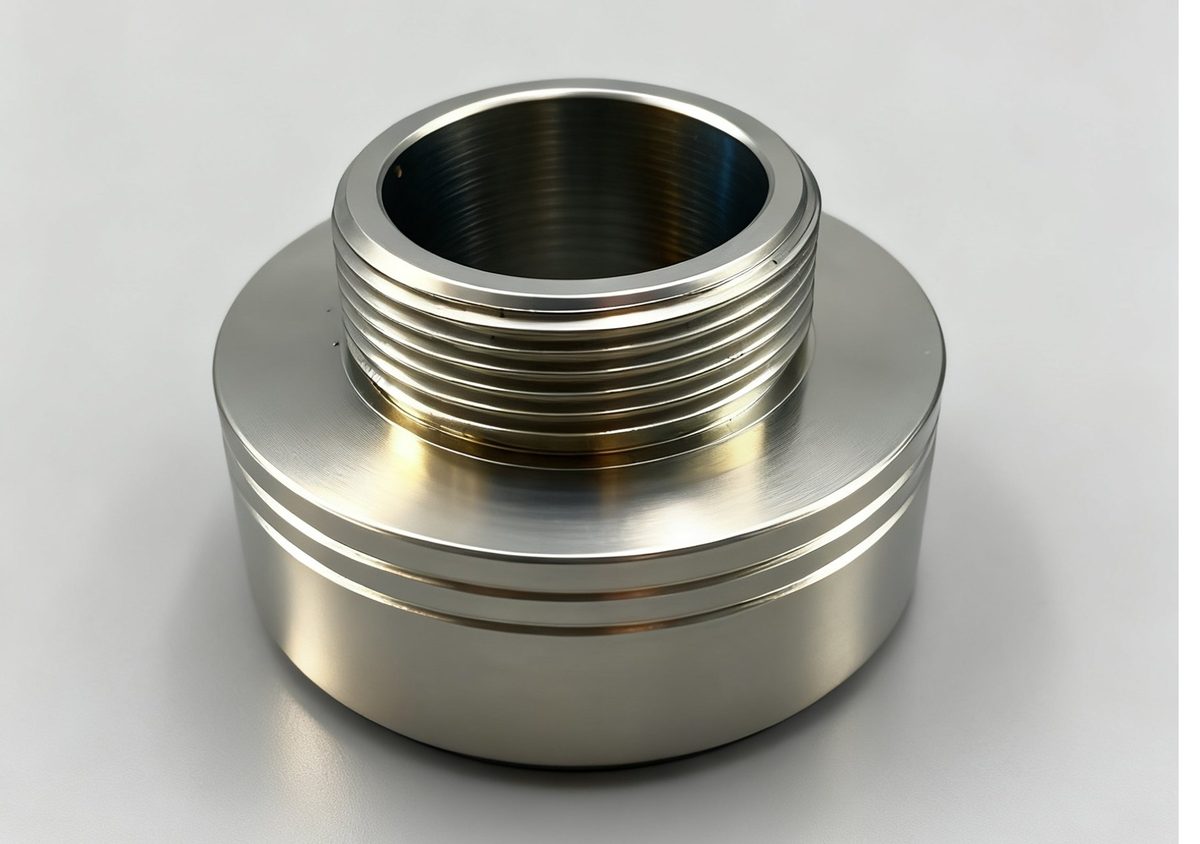
Turning is a natural fit for round features, stepped diameters, threads, and concentric surfaces. Milling is better when the part needs pockets, flats, slots, or a shape that changes across multiple faces, which is common in custom machined parts for machine assemblies.
Many useful components combine both processes. A part may need a turned base for concentricity, then milled holes or relieved sections to fit a housing or bracket, so the process sequence matters as much as the final geometry.
Grinding, Drilling, and Boring
Grinding becomes valuable when the surface itself affects contact quality, repeatability, or wear life. Drilling and boring refine holes and bores that control alignment, and those features often decide whether the finished part feels precise when it enters service.
The best machining route follows function rather than habit. A part that looks ordinary may still need a tight final surface, while another part may benefit more from a robust bore or a cleaner shoulder than from any decorative refinement.
Where These Parts Fit Best
In machinery manufacturing, custom machined parts often solve the gap between a standard idea and a real machine layout. They can adapt an existing assembly, replace a worn interface, or hold a critical connection steady without forcing the whole system to be redesigned.
The same logic applies in automotive, aerospace, electronic equipment, medical devices, and mold manufacturing. Each field values something slightly different, whether that is stiffness, cleanliness, repeatability, or compactness, and the part has to support that priority without becoming hard to service.
Why YIZHI MACHINERY Fits the Job
YIZHI MACHINERY keeps the same logic centered on the drawing, the application, and the interface between parts. That is useful when a component must fit into a larger assembly and still behave like it was made for the machine rather than adapted to it later.
The bigger advantage is continuity across the workpiece, the machining route, and the final inspection mindset. When the same project also needs related parts or matching surfaces, the process stays easier to manage because the entire fit is being treated as one system, not as disconnected pieces.
Conclusion
Custom machined parts deliver the most value when they are specified as part of the machine, not as isolated shapes. If the drawing, material, finish, and machining route all point in the same direction, the part is more likely to install smoothly, run cleanly, and stay serviceable over time.
For a drawing that needs to become a workable component, the right next step is often an OEM service path that aligns geometry with real operating conditions. That is where YIZHI MACHINERY helps turn a specification into a part that actually fits.
FAQ
Q: What makes custom machined parts different from standard parts?
A: The custom machined part will be based on the unique drawing and performance of that part rather than being dependent on the standard catalog dimensions. This is why it is better for unique interfaces, tight-tolerance assemblies, and machinery which need perfect alignment.
Q: When should I choose CNC machining services?
A: CNC machining services are appropriate for applications that require repeated precision, controlled geometry, or both turning and milling operations. CNC machining is particularly helpful for components that have to conform in shape to a housing, shaft seat, thread, or some other component of an assembly.
Q: Which materials work best for custom machining parts?
A: Material selection depends on the stress, temperatures, wear, and corrosion experienced by the part. Metals are used where strength or resistance to wear is important, while some parts can use plastics where strength is less important than lightness, lubrication, or electrical insulation.
Q: How does YIZHI MACHINERY support custom machining parts projects?
A: YIZHI MACHINERY provides drawing-based customization of dimensions, materials, surface finish, accuracy, and corresponding machining. Therefore, YIZHI MACHINERY is suitable for jobs where the component should be designed to fit within a bigger assembly in a clean manner consistently.
